Punk rock, a genre of music that emerged in the mid-1970s, has left an indelible mark not only on music but also on fashion and youth culture. One of the most recognizable elements of punk rock fashion is the trousers, which have become symbols of rebellion, identity, and social commentary. This article explores the impact of punk rock trousers on youth culture and identity, delving into the historical context, key characteristics, and the broader implications on societal norms and individual expression.
The Historical Context of Punk Rock Trousers

The punk rock movement began as a response to the mainstream music scene of the 1970s, characterized by its raw sound and anti-establishment lyrics. Punk fashion, including trousers, emerged as a form of self-expression and a rejection of societal norms. The following are key milestones in the evolution of punk rock trousers:
- Mid-1970s: The punk movement began in cities like New York and London, where bands like the Ramones and Sex Pistols popularized a raw, unpolished aesthetic.
- 1976-1977: Punk fashion became more defined with the introduction of DIY ethos, leading to the customization of trousers with safety pins, patches, and rips.
- Late 1970s: Designers like Vivienne Westwood and Malcolm McLaren further popularized punk fashion, bringing it into the mainstream.
Characteristics of Punk Rock Trousers
Punk rock trousers are distinctive, often characterized by their bold, unconventional designs. Here are some common features:
- Distressed Fabrics: Ripped, torn, or frayed materials symbolize rebellion against the polished fashion of mainstream culture.
- Bright Colors and Patterns: Vibrant hues, plaid patterns, and bold prints reflect individuality and a break from uniformity.
- DIY Customization: Many punks personalize their trousers with patches, pins, and artwork, making each piece unique.
- Unisex Appeal: Punk trousers often defy traditional gender norms, promoting a more fluid approach to fashion.
The Role of Punk Rock Trousers in Youth Identity

The trousers worn by punk rock enthusiasts play a significant role in shaping youth identity. They serve as a medium for self-expression, allowing individuals to communicate their beliefs, emotions, and affiliations. Here are some ways in which punk rock trousers contribute to youth identity:
1. Expression of Rebellion

Punk rock trousers are a visual representation of rebellion against societal expectations. Wearing these trousers can signify a rejection of conformity and a desire to challenge the status quo. This is particularly significant for youth, who are often navigating their paths toward adulthood and seeking ways to assert their independence.
2. Community and Belonging
The punk rock scene fosters a sense of community among like-minded individuals. Wearing punk trousers can signal membership in this subculture, creating a bond among those who share similar values and beliefs. The following aspects contribute to this sense of belonging:
- Shared Aesthetic: Individuals who wear punk trousers often feel connected to others who embrace the same style.
- Collective Identity: The punk community often rallies around shared experiences and ideologies, reinforcing a collective identity.
3. Challenging Gender Norms
Punk rock trousers often blur the lines of traditional gender roles. Their unisex design allows individuals to express themselves beyond societal expectations of masculinity and femininity. This challenge to gender norms has been particularly influential among youth, fostering a more inclusive understanding of identity.
Case Studies: Punk Rock Trousers in Action
To illustrate the impact of punk rock trousers on youth culture, let’s examine a few notable case studies:
1. The Rise of DIY Punk Fashion
The DIY ethic in punk fashion gained momentum in the late 1970s, as youth began to customize their own trousers. This movement emphasized creativity and resourcefulness, allowing young people to express their individuality through fashion. Notable examples include:
- Safety Pins and Patches: The use of safety pins to hold together ripped trousers became a hallmark of punk style, symbolizing a rejection of traditional fashion norms.
- Personalized Artwork: Many punks would draw or paint on their trousers, creating unique pieces that reflected their personalities and beliefs.
2. The Impact of Punk on High Fashion
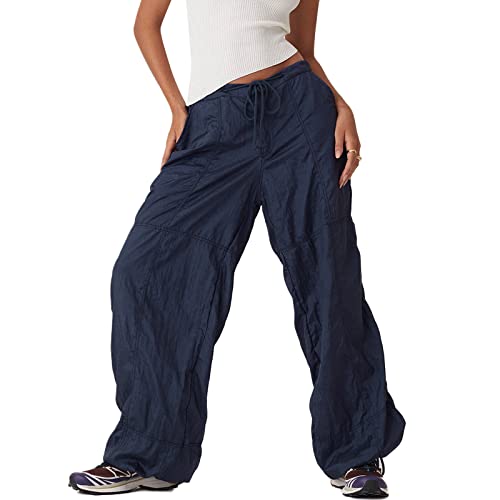
As punk culture gained visibility, its influence began to seep into high fashion. Designers like Jean-Paul Gaultier and Alexander McQueen incorporated punk elements into their collections, bringing punk trousers to a wider audience. This crossover had several implications:
- Commercialization of Punk: The commercialization of punk fashion led to debates about authenticity and the dilution of the movement’s original message.
- Inspiration for New Generations: The incorporation of punk aesthetics into mainstream fashion continues to inspire new generations of youth, who adapt and reinterpret these styles.
3. Punk Trousers in Popular Media
Punk rock trousers have been prominently featured in films, music videos, and television shows, further solidifying their place in youth culture. For example:
- Films: Movies like “Sid and Nancy” and “The Punk Singer” showcase the punk aesthetic and the significance of trousers in defining characters’ identities.
- Music Videos: Bands like Green Day and The Offspring have used punk fashion, including trousers, as a visual element in their videos, reinforcing the connection between music and style.
The Broader Implications of Punk Rock Trousers
The influence of punk rock trousers extends beyond fashion, touching on various social and cultural issues:
1. Social Commentary
Punk rock trousers often serve as a canvas for social commentary, allowing individuals to express their views on political and social issues. Patches and artwork on trousers may convey messages about:
- Anti-Consumerism: Many punks use their clothing to critique consumer culture, promoting a message of self-sufficiency and authenticity.
- Political Activism: Trousers adorned with political slogans or imagery can raise awareness about social justice issues, encouraging dialogue among youth.
2. Mental Health and Self-Expression
For many young people, punk fashion, including trousers, serves as a form of therapy and self-expression. The act of customizing and wearing punk trousers can provide:
- A Sense of Control: Personalizing their clothing allows youth to express their individuality in a world that often feels overwhelming.
- A Coping Mechanism: Fashion can be a powerful tool for addressing mental health challenges, helping youth navigate their emotions through external expression.
The Lasting Legacy of Punk Rock Trousers
Punk rock trousers have had a profound impact on youth culture and identity, serving as symbols of rebellion, individuality, and community. As a form of self-expression, they challenge societal norms and allow young people to navigate their identities in a complex world. While the punk movement has evolved, its influence remains evident in contemporary fashion and youth culture. As we look to the future, the legacy of punk rock trousers continues to inspire new generations, reminding us that fashion can be a powerful vehicle for change and self-identity.