The world of design is a continuously evolving landscape that merges the past with the present to create innovative, captivating aesthetics. One of the most intriguing combinations in contemporary design is the fusion of traditional Gothic elements with modern gold designs. This article delves into the rich history of Gothic design, explores the characteristics of modern gold aesthetics, and highlights how these two seemingly disparate styles can harmoniously coexist to create stunning visual and functional masterpieces.
The Allure of Gothic Design
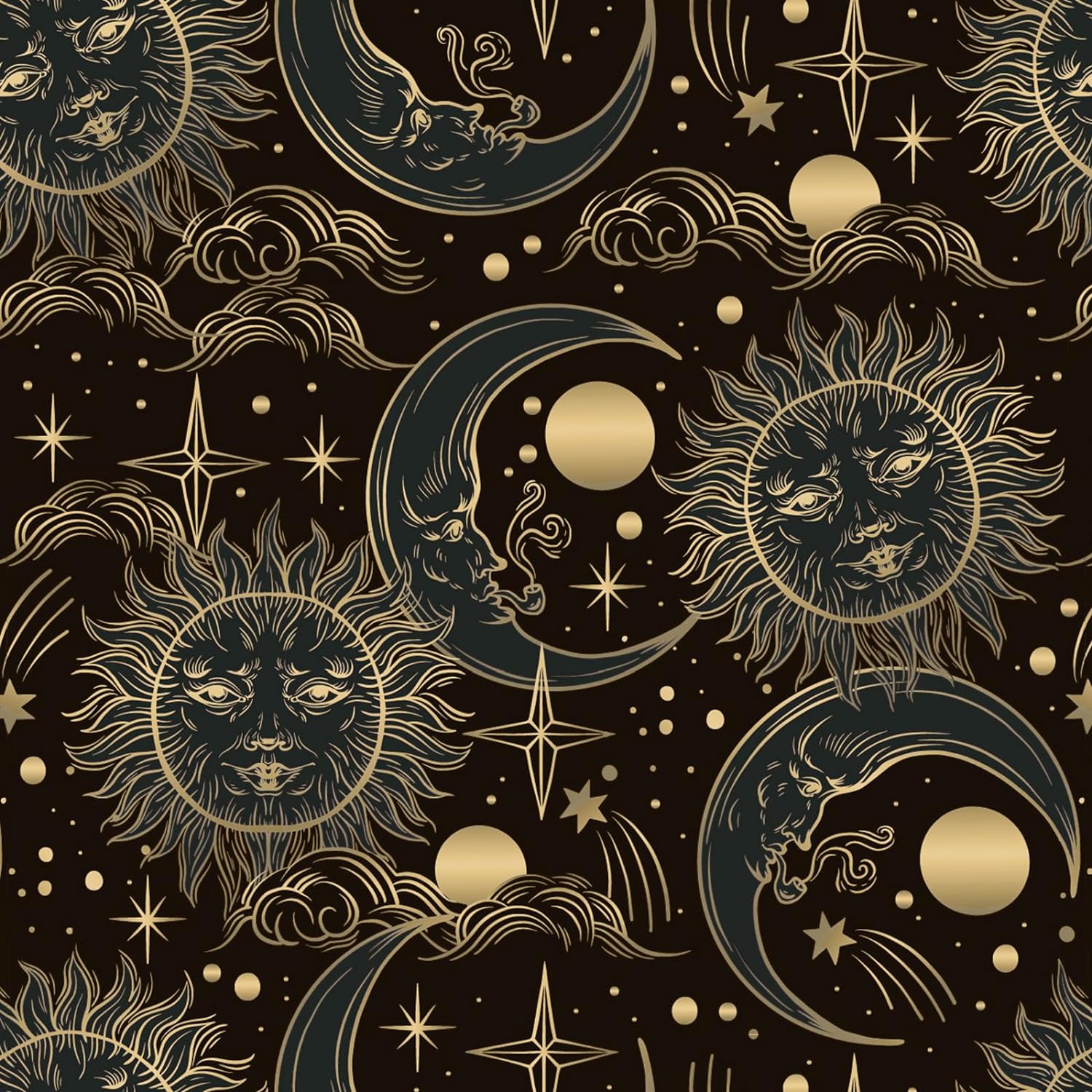
Gothic architecture and design emerged in the 12th century and flourished until the 16th century, primarily in Europe. Characterized by its intricate details, soaring structures, and ethereal atmosphere, Gothic design has left a lasting legacy in both architecture and decorative arts. Some defining features include:
- Pointed Arches: A hallmark of Gothic architecture, these arches allowed for taller, more slender structures and larger windows.
- Ribbed Vaults: These architectural elements provided structural support and enhanced the aesthetic appeal of ceilings.
- Flying Buttresses: External supports that allowed buildings to reach impressive heights while providing stability.
- Stained Glass Windows: These colorful glass pieces not only illuminated interiors but also told stories and depicted religious themes.
- Ornate Details: From gargoyles to intricate carvings, Gothic design is known for its elaborate and often dark motifs.
Gothic design is often associated with mystery and romanticism, making it a favorite among designers looking to evoke emotion and depth in their work. Its historical significance and aesthetic appeal have paved the way for modern adaptations that breathe new life into this timeless style.
The Rise of Modern Gold Designs
In contrast to the somber tones of Gothic design, modern gold aesthetics celebrate brightness, luxury, and contemporary sophistication. Gold design elements encompass everything from minimalistic décor to lavish opulence. Key characteristics include:
- Clean Lines: Modern gold designs often emphasize simplicity and functionality, focusing on clean, geometric shapes.
- High Contrast: Gold is frequently used to create striking contrasts with darker hues, enhancing visual interest.
- Minimalism: The modern approach often embraces minimalist principles, where less is more, allowing gold to take center stage.
- Innovative Textures: The use of varied textures—matte, glossy, hammered—adds depth and intrigue to gold designs.
- Eco-Friendly Materials: The rise of sustainable design has led to the use of reclaimed and ethically sourced materials in modern gold creations.
The allure of modern gold design lies in its versatility and ability to convey elegance and sophistication. When paired with Gothic elements, the result can be a breathtaking blend of historical depth and contemporary flair.
Fusing Gothic and Modern Gold Design

The fusion of traditional Gothic elements with modern gold design creates a unique aesthetic that appeals to a wide range of tastes. The combination can be seen in various aspects of design, from architecture to interior design and jewelry. Here are some key insights into how these two styles can be harmonized:
Architectural Marvels
Many contemporary architects are exploring the fusion of Gothic and modern gold design in innovative ways. Notable examples include:
- The Cathedral of Saint John the Divine, New York: This cathedral showcases traditional Gothic elements while incorporating modern gold accents in its interior design.
- The King’s College Chapel, Cambridge: The chapel’s stunning stained glass is complemented by gold detailing in its fixtures and furnishings.
- St. Patrick’s Cathedral, New York: The historic Gothic architecture features modern gold lighting fixtures that enhance the overall ambiance.
Architects are increasingly using gold as an accent in Gothic-style buildings, whether through lighting fixtures, decorative elements, or even gold leafing on intricate carvings. This blend creates a captivating visual experience that honors the past while embracing the present.
Interior Design Inspirations

In interior design, the fusion can be manifested in various ways:
- Furniture: Modern furniture pieces with clean lines can be paired with Gothic-inspired upholstery or decorative elements, creating a striking contrast.
- Lighting: Chandeliers that incorporate Gothic motifs and modern gold finishes can serve as focal points in any room.
- Wall Art: Artwork that combines Gothic themes with gold leaf can add elegance and depth to a space.
Designers are finding creative ways to juxtapose the ornate details of Gothic design with the simplicity and elegance of modern gold. For instance, a room with a Gothic archway can be beautifully accented with gold-painted furniture or gold-framed mirrors, achieving a balance between complexity and simplicity.
Jewelry and Fashion Trends

The fusion of Gothic and modern gold design is also evident in the world of jewelry and fashion. Designers are crafting unique pieces that celebrate both styles:
- Gothic-Inspired Rings: Rings featuring intricate Gothic designs are often embellished with modern gold accents, creating a stunning piece that tells a story.
- Statement Necklaces: Necklaces that combine ornate Gothic patterns with gold elements make bold fashion statements.
- Fashion Runways: Many contemporary fashion designers are incorporating Gothic themes into their collections, using gold as a primary material.
The blending of these styles in jewelry and fashion allows wearers to express their individuality while embracing the rich history of Gothic design.
Case Studies and Examples

To further illustrate the successful fusion of Gothic and modern gold design, let’s examine a few case studies:
Case Study 1: The Gothic Gold Collection
A luxury jewelry brand recently launched a collection titled “Gothic Gold,” which features pieces inspired by Gothic architecture. The collection uses intricate filigree work that echoes the details found in cathedrals, combined with modern gold finishes. Sales reports indicated a 25% increase in interest in the collection compared to previous launches, showcasing consumer appreciation for the fusion of styles.
Case Study 2: The Neo-Gothic Cafe
A cafe in London successfully integrated Gothic elements with modern gold accents in its interior design. The space features high ceilings with pointed arches, stained glass windows, and gold fixtures. Customer feedback highlighted the unique ambiance, leading to a 40% increase in foot traffic since its redesign, proving the commercial viability of this design fusion.
Statistics and Trends
Recent surveys in the design industry indicate a growing trend towards the fusion of historical and modern styles:
- According to a 2023 report from the American Society of Interior Designers, 60% of designers are incorporating vintage elements into contemporary designs.
- A notable 35% of consumers expressed a preference for designs that combine historical aesthetics with modern functionality.
- The market for luxury gold jewelry is projected to grow by 12% annually, with Gothic-inspired designs leading the charge.
These statistics underscore the popularity and demand for designs that honor tradition while embracing modernity.
The Timeless Fusion of Gothic and Gold

The fusion of traditional Gothic elements with modern gold designs is more than just a design trend; it is a celebration of history, craftsmanship, and innovation. This unique combination offers designers the opportunity to create compelling spaces and products that resonate with consumers seeking depth and sophistication in their surroundings.
From architectural marvels to stunning jewelry collections, the perfect fusion of Gothic and modern gold design continues to captivate audiences. As the design landscape evolves, this harmonious blend promises to inspire future generations of designers and art enthusiasts alike.
In conclusion, the rich tapestry woven from the intricate past of Gothic design and the luxurious present of modern gold aesthetics offers a wealth of creative possibilities. As designers explore this fusion, they not only honor the legacy of Gothic artistry but also pave the way for innovative expressions that resonate with contemporary audiences. The future of design lies in the beautiful balance between tradition and modernity, inviting us all to partake in a dialogue that transcends time.