The Adidas Gazelle is not just a sneaker; it’s an emblem of cultural evolution and fashion adaptability that has stood the test of time. First launched in the 1960s, the Gazelle has transitioned from a training shoe to a style icon, embraced by various subcultures and generations. This article explores the fascinating journey of the Adidas Gazelle through the decades, highlighting its design evolution, cultural impact, and enduring popularity.
Origins: The 1960s – A Performance Sneaker

The Adidas Gazelle was introduced in 1966 as a multi-purpose training shoe, designed for athletes who needed a lightweight and versatile option. The original Gazelle featured a simple yet effective design:
- Soft suede upper for comfort
- Rubber outsole for traction
- Minimalist aesthetic with three iconic stripes
Initially aimed at athletes, the Gazelle quickly gained traction in the world of sports, especially in soccer and track and field. Its popularity grew as athletes appreciated its functionality and comfort.
The 1970s: The Rise to Popularity

By the 1970s, the Gazelle had established itself as more than just a training shoe. It became a cultural phenomenon, particularly in the United Kingdom, where it was embraced by the emerging casuals subculture. This era saw the Gazelle transform into a symbol of fashion and social identity.
Key factors contributing to its rise included:
- Association with music: The Gazelle became popular among musicians and bands, particularly within the punk and ska scenes.
- Celebrity endorsements: Icons like the band Oasis and football legends helped propel the sneaker into mainstream culture.
- Variety of colorways: The introduction of multiple color options allowed wearers to express their individuality.
In 1971, the Gazelle was available in a variety of colors, which made it a staple in many wardrobes, transcending its athletic origins.
The 1980s: Street Culture and Hip-Hop Influence
The 1980s marked a pivotal decade for the Gazelle as it became synonymous with street culture and the burgeoning hip-hop movement. Artists and performers adopted the sneaker, solidifying its status as a cultural icon.
Several factors contributed to this transition:
- Hip-hop artists like Run-DMC and LL Cool J frequently sported the Gazelle, showcasing it in music videos and performances.
- Graffiti artists and breakdancers also embraced the shoe, further embedding it in urban culture.
- The emergence of sneaker culture: Collecting and styling sneakers became a phenomenon, pushing the Gazelle into the spotlight.
The Gazelle’s association with hip-hop allowed it to reach new audiences and solidified its place in the annals of sneaker history.
The 1990s: A Fashion Staple

As the 1990s rolled in, the Adidas Gazelle continued its evolution, shifting from a purely athletic shoe to a fashion staple. The emergence of grunge and Britpop brought the Gazelle back into the spotlight:
- Fashion designers began incorporating the Gazelle into their collections, showcasing it on runways and in high-fashion magazines.
- Musicians like Noel Gallagher and members of Blur were frequently seen wearing the Gazelle, further popularizing the shoe.
- Collaborations with notable designers and brands began, expanding the Gazelle’s appeal beyond traditional sneaker enthusiasts.
During this decade, the Gazelle’s silhouette remained largely unchanged, but its colorways and materials diversified, appealing to a wider audience.
The 2000s: Nostalgia and Reinvention

The 2000s ushered in a wave of nostalgia for retro styles, and the Gazelle was no exception. Adidas capitalized on this trend by re-releasing classic models and colorways, attracting both new fans and long-time devotees.
Notable developments included:
- Reissue of classic colorways: The return of iconic color combinations attracted sneakerheads and fashion enthusiasts alike.
- Influence of social media: Platforms like Instagram allowed sneaker collectors to showcase their Gazelles, further driving demand.
- Celebrity endorsements: Stars like Kanye West began wearing the Gazelle, introducing it to a new generation of fans.
The Gazelle became a canvas for creativity, with limited edition releases and collaborations with various artists and designers.
The 2010s: A Modern Classic
By the 2010s, the Adidas Gazelle had firmly established itself as a modern classic. The sneaker was featured in various fashion shows and became a staple in street style:
- Collaboration with high-profile designers such as Raf Simons and Palace Skateboards introduced fresh takes on the classic model.
- Fashion influencers and bloggers embraced the Gazelle, showcasing it in diverse outfits that made the sneaker a versatile choice.
- The rise of athleisure as a fashion trend allowed the Gazelle to be worn in various casual settings, further broadening its appeal.
Adidas also launched campaigns highlighting the Gazelle’s heritage, celebrating its legacy while promoting its relevance in contemporary fashion.
The 2020s: Sustainability and Continued Popularity

As we enter the 2020s, the Adidas Gazelle continues to evolve. Current trends emphasize sustainability and ethical manufacturing practices. Adidas has been actively working towards reducing its environmental impact:
- Introduction of sustainable materials: New models incorporate recycled materials, aligning with consumer demand for eco-friendly products.
- Focus on ethical production: Adidas strives for transparency in its supply chain, appealing to socially conscious consumers.
- Continued collaborations: The brand continues to partner with influencers and designers to keep the Gazelle relevant in the ever-changing fashion landscape.
The Gazelle remains widely popular, frequently spotted on celebrities, influencers, and everyday consumers alike, demonstrating its timeless appeal and adaptability.
The Enduring Legacy of the Adidas Gazelle
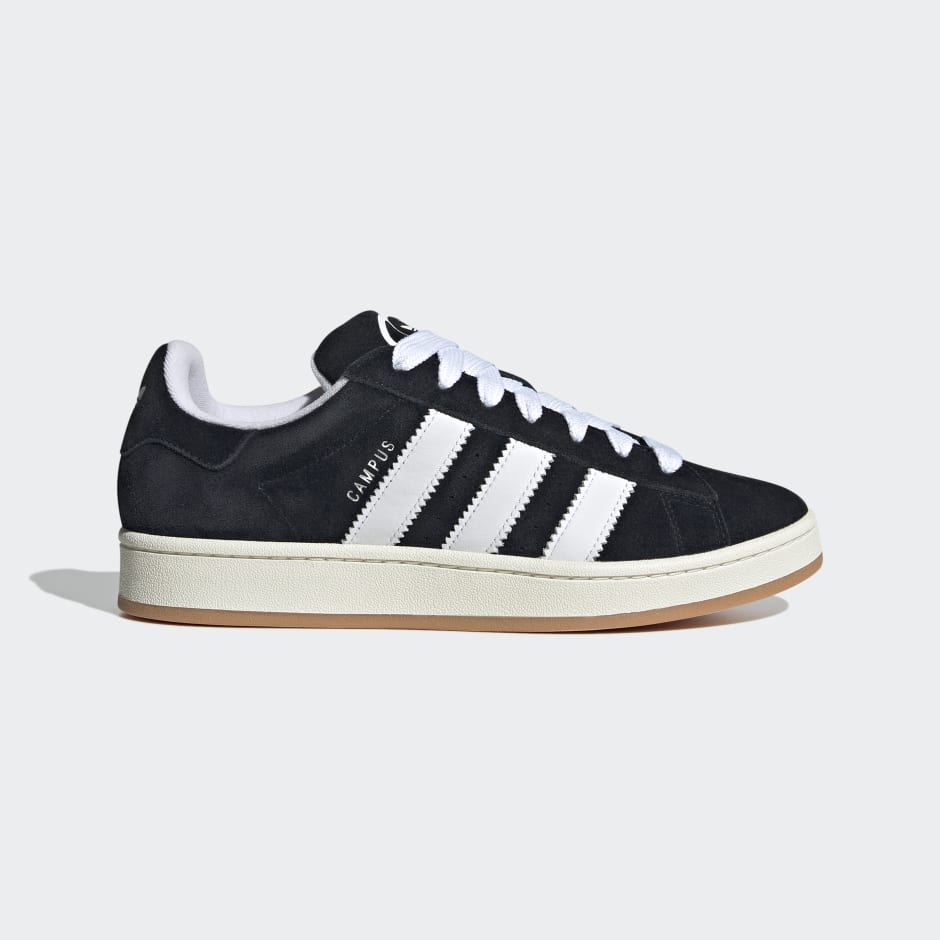
The journey of the Adidas Gazelle is a testament to its ability to adapt and thrive through changing cultural landscapes. From its humble beginnings as a training shoe to its status as a fashion icon, the Gazelle has influenced sports, music, and street culture across decades. Key takeaways from the Gazelle’s evolution include:
- Versatility: The Gazelle’s design allows it to transition seamlessly from sportswear to high fashion.
- Cultural impact: The sneaker has been embraced by various subcultures, making it a symbol of social identity.
- Adaptability: The Gazelle’s continued relevance can be attributed to its ability to adapt to current trends and consumer demands.
- Sustainability: As the fashion industry evolves, the Gazelle is paving the way for more environmentally conscious choices.
As we look to the future, the Adidas Gazelle is likely to continue captivating audiences, proving that great design and cultural significance can create a lasting legacy.


