In today’s digital age, wall-mounted TVs have become a staple in modern homes and offices. They not only save space but also offer an unparalleled viewing experience. However, one significant challenge that comes with mounting a TV on the wall is managing the plethora of cables that accompany it. Unruly cables can detract from the aesthetics of your living space and can even pose safety risks. This article explores various cable management solutions to maintain a clean and organized look, enhancing the beauty of your wall-mounted TV setup.
The Importance of Cable Management
Cable management is essential for several reasons:
- Aesthetics: A tidy setup makes your space look more organized and visually appealing.
- Safety: Properly managed cables reduce the risk of tripping hazards and electrical issues.
- Accessibility: Organized cables make it easier to access connections for maintenance or upgrades.
- Longevity: Protecting cables from wear and tear can extend their lifespan.
Investing time and resources into effective cable management can significantly improve your living environment and overall viewing experience.
Types of Cable Management Solutions
There are various cable management solutions available, each with its unique advantages. Here are some popular options:
1. Cable Covers and Raceways
Cable covers and raceways are ideal for concealing cables along walls. They can be painted to match the wall color, making them nearly invisible.
- Types: Available in plastic, metal, or wood finishes.
- Installation: Typically easy to install with adhesive backing or screws.
- Cost: Generally affordable, with prices ranging from $10 to $50 depending on the material and length.
2. Wall Plates
Wall plates fit into your wall and allow cables to enter and exit cleanly, ensuring that no cables are visible. They are particularly useful for HDMI and power cables.
- Types: Single-gang or double-gang wall plates.
- Installation: Requires cutting a hole in the wall, which can be done using a drywall saw.
- Cost: Typically between $5 and $25 per plate.
3. Cable Ties and Clips
Cable ties and clips are perfect for bundling and securing cables together. They are especially useful behind the TV or along the edges of furniture.
- Types: Velcro ties, zip ties, and adhesive clips.
- Installation: Simple to use—just gather cables and secure them together.
- Cost: Usually under $20 for a pack.
4. Furniture with Built-in Cable Management
Some modern furniture pieces, such as entertainment centers or TV stands, come with built-in cable management features that keep cables hidden and organized.
- Types: TV stands, entertainment units, and media consoles.
- Installation: Minimal installation required; just place your TV and connect cables.
- Cost: Prices can range from $100 to $1000 depending on the design and brand.
5. Wireless Technology
:max_bytes(150000):strip_icc()/RanchoEncinitasTreehouse-LivingRoom26-31e31f5d18a84c2c8bb365bc37137d40.jpg)
While not a traditional cable management solution, utilizing wireless technology can significantly reduce the number of cables needed. Wireless HDMI transmitters, sound systems, and streaming devices can eliminate the need for many cables.
- Types: Wireless HDMI kits, Bluetooth speakers, and streaming devices.
- Installation: Generally user-friendly, requiring minimal setup.
- Cost: Can vary widely, with kits ranging from $50 to several hundred dollars.
Case Studies: Successful Cable Management Implementations
To illustrate the effectiveness of cable management, let’s explore a few case studies:
Case Study 1: A Modern Living Room
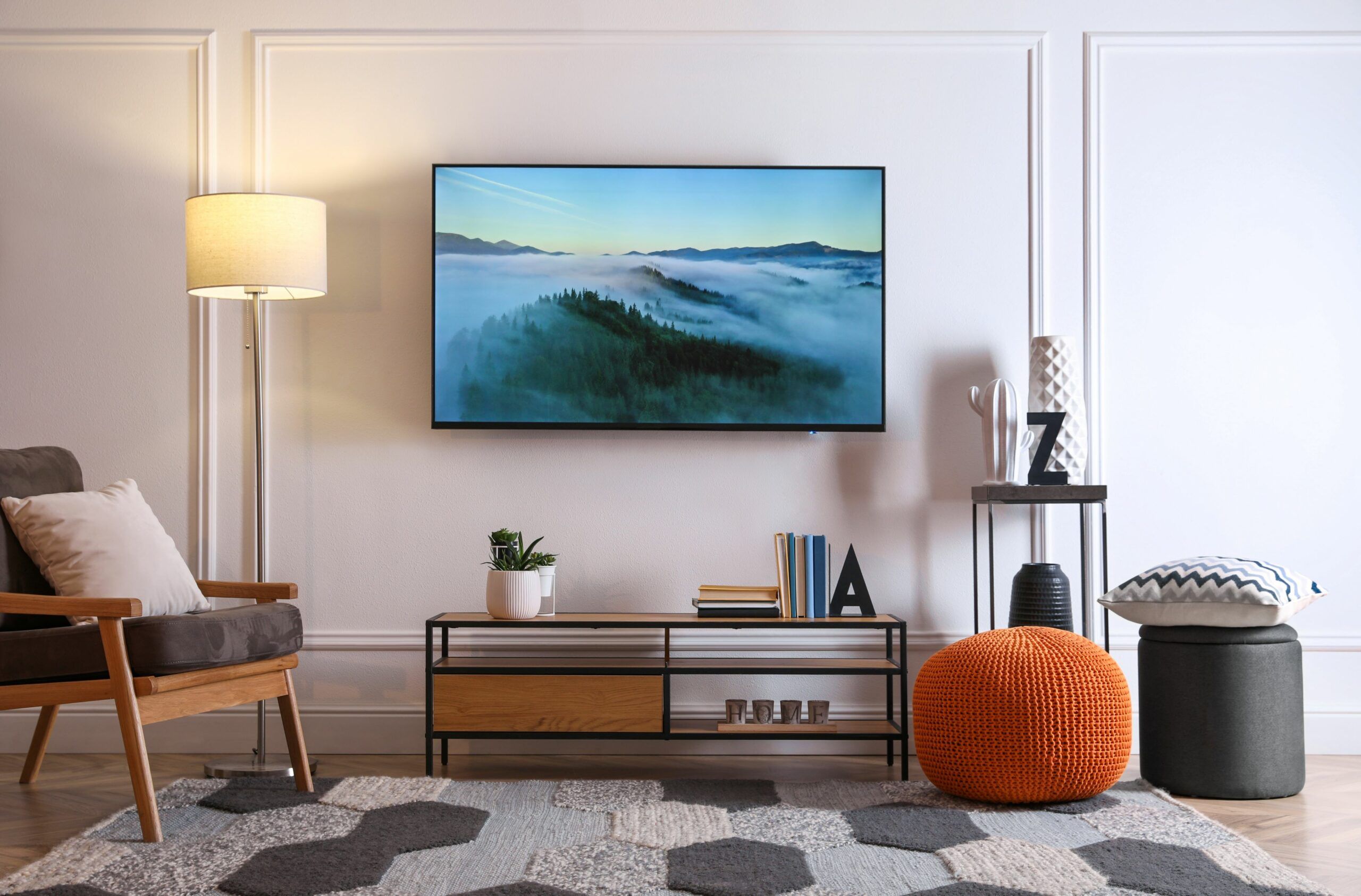
A family in a contemporary home decided to mount their 65-inch TV above the fireplace. They used cable raceways painted to match the wall, effectively concealing HDMI and power cables. They also incorporated a wall plate for easy access to connections for gaming consoles. The result was a clean, streamlined look that complemented their modern decor.
Case Study 2: Home Office Setup
A remote worker transformed their home office by wall-mounting a 55-inch TV for video conferencing. They used adhesive cable clips to secure cables along the desk’s edge and a cable cover to hide the connections running down the wall. This organization not only improved aesthetics but also made the workspace feel more professional.
Statistics and Trends in Cable Management
According to recent surveys, 80% of homeowners consider aesthetics when setting up their entertainment systems, and 70% express concerns about cable clutter. Furthermore, the market for cable management solutions has seen significant growth, with a projected annual growth rate of 10% through 2026.
As more consumers prioritize clean and organized spaces, understanding cable management solutions is essential for anyone looking to enhance their home or office environment.
DIY Cable Management Tips
If you prefer a hands-on approach, here are some DIY tips for effective cable management:
- Use Binder Clips: Attach binder clips to the edge of your desk to secure cables.
- Label Your Cables: Use tape and a marker to label cables, making it easier to identify connections.
- Repurpose Household Items: Use empty toilet paper rolls to organize cables in a drawer.
- Keep Cables Short: Opt for shorter cables when possible to reduce clutter.
Managing cables effectively is a crucial step in creating a clean and organized look with wall-mounted TVs. Whether you opt for cable covers, wall plates, or even wireless technology, there are ample solutions available to meet your needs. By investing in these cable management solutions, you can enhance the visual appeal of your space while ensuring safety and accessibility.
As demonstrated through various case studies and supported by statistics, effective cable management is not just about aesthetics—it’s also about creating a functional and enjoyable viewing experience. With the right strategies and tools, you can conquer cable clutter and enjoy the sleek, modern look of your wall-mounted TV setup.